Kids Daily Planner – Help Kids Build Positive Habits and Stay Organized
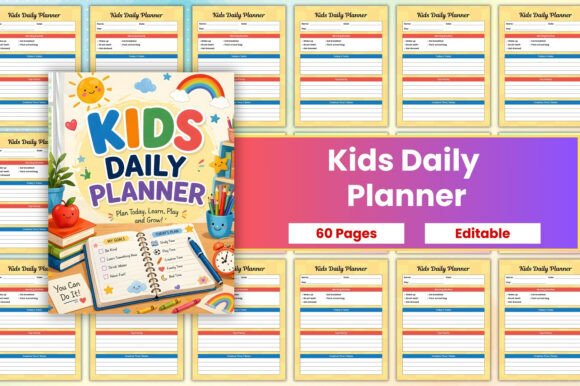
Helping children develop good habits and a sense of responsibility is one of the most important tasks for parents, teachers, and caregivers. A Kids Daily Planner can be a powerful tool in this journey, offering structure without pressure. Designed with simplicity and fun in mind, this planner encourages independence while making everyday routines more manageable. Whether used at home or in school, it helps kids track their morning routine, organize daily tasks, and focus on what matters most.
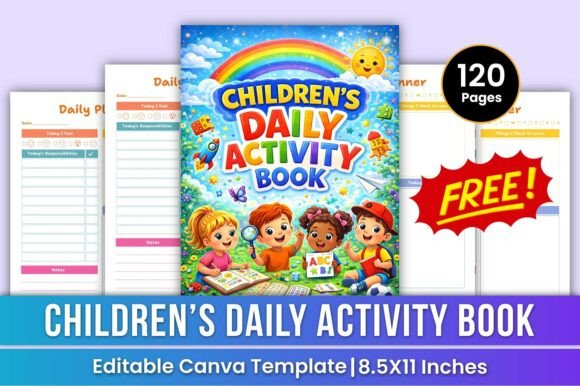
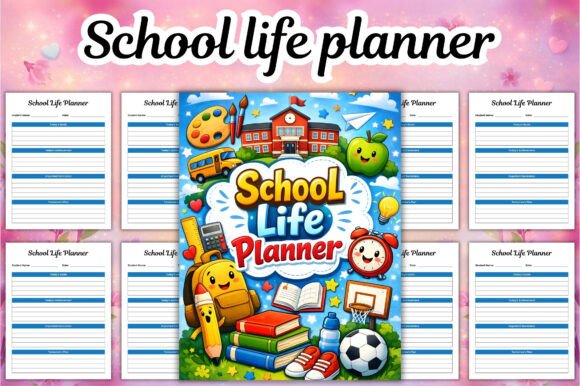
The Kids Daily Planner includes guided checklists that help children stay on top of essential activities like waking up, brushing teeth, getting dressed, eating breakfast, and preparing for the day. It also provides space for writing tasks, highlighting priorities, and even expressing creativity through notes or drawings. This makes it not only a practical tool but also an engaging way to teach time management, responsibility, and confidence.
Why Choose a Kids Daily Planner?
Many parents and educators may overlook the importance of structured routines for young children. However, using a Kids Daily Planner can make a significant difference in how kids approach their daily lives. It introduces consistency, which is crucial for developing good habits. The planner’s clean layout ensures that children are not overwhelmed by too much information, making it easier for them to follow along and complete tasks independently.
A common mistake when choosing a planner is selecting one that is too complex or filled with unnecessary details. This can confuse children and discourage them from using it regularly. Instead, look for a planner that offers a simple, clear format with visual cues and easy-to-follow steps. The Kids Daily Planner achieves this by focusing on key routines and allowing flexibility for customization.
Common Mistakes When Using a Kids Daily Planner
One of the biggest mistakes is assuming that a planner will work automatically without guidance. While the Kids Daily Planner is designed to be user-friendly, it still requires some level of support from adults. Parents and teachers should take time to explain how to use the planner and encourage consistent use. Without this, children may not understand its purpose or fail to engage with it regularly.
Another common issue is not adapting the planner to the child's specific needs. Every child has different routines and responsibilities, so using a generic template might not be effective. For example, a child who has after-school activities may need additional space to track those events. Customizing the Kids Daily Planner with specific tasks or adding notes about upcoming events can greatly improve its usefulness.
Some people also neglect to involve the child in the process of setting up the planner. Letting them choose colors, stickers, or other personal touches can increase their engagement and motivation. This small step can turn a simple task into a fun activity that they look forward to each day.
How to Get the Most Out of Your Kids Daily Planner
To avoid these pitfalls, start by introducing the planner gradually. Begin with just a few tasks and build up as the child becomes more comfortable. Use positive reinforcement to encourage completion of tasks, such as praise or small rewards. This helps reinforce the habit of using the planner consistently.
It’s also important to review the planner with your child regularly. This allows you to see what is working and what may need adjustment. If certain tasks are being missed repeatedly, consider simplifying or reorganizing the planner to better fit the child’s schedule.
Finally, remember that the Kids Daily Planner is a tool, not a strict rulebook. Flexibility is key. Some days may require changes to the routine, and that’s okay. The goal is to create a supportive environment where children feel empowered to manage their time and responsibilities in a way that works best for them.
Where to Find and Customize Your Kids Daily Planner
The Kids Daily Planner is available in various formats, including PDF, JPG, PNG, and even a Canva link for easy customization. This means that parents and educators can download and print it at home or modify it using design tools to suit their child’s preferences. Customization options allow for personalization, making the planner more engaging and relevant to the child.
When downloading or purchasing a Kids Daily Planner, be sure to check the file format compatibility with your devices. Also, consider whether the planner includes features like weekly views, task prioritization, or space for creative expression. These elements can enhance the planner’s effectiveness and make it more enjoyable for the child.
For those who prefer digital planning, using a Canva link can offer interactive and visually appealing templates. This is especially useful for children who enjoy working on tablets or computers. However, it’s important to ensure that the digital version is easy to navigate and doesn’t require advanced technical skills to use.
Final Thoughts
The Kids Daily Planner is more than just a tool for managing daily tasks—it’s a way to help children develop lifelong skills in organization, time management, and responsibility. By avoiding common mistakes and adapting the planner to the child’s needs, parents and educators can make this process both effective and enjoyable. With the right approach, the Kids Daily Planner can become a valuable part of a child’s daily routine, helping them grow with confidence and independence.