Mental Health CBT Workbook
Creating a Mental Health CBT Workbook is more than just compiling exercises—it’s about offering a structured, accessible tool for individuals seeking to improve their mental well-being. Whether you're a professional publisher or an individual looking to create a personal journal, this workbook provides a foundation that can be tailored to suit various needs and preferences.
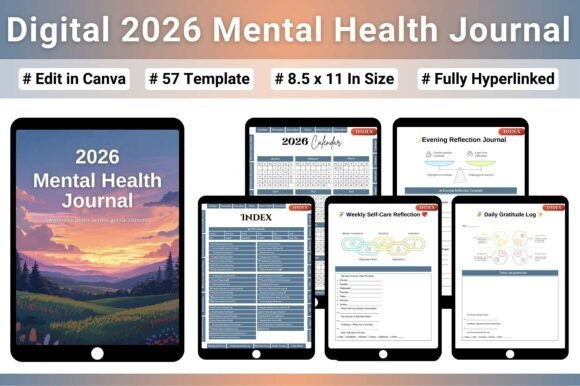
The Mental Health CBT Workbook integrates Cognitive Behavioral Therapy (CBT) techniques with practical, actionable worksheets. These include daily planners, thought records, self-care practices, and reflection prompts. This blend of structure and flexibility makes it an ideal resource for people who want to track their progress, manage stress, and build healthier thought patterns over time.
Customizable Canva Templates for KDP Creations
For those interested in publishing their own Mental Health CBT Workbook, using Canva templates can streamline the design process significantly. These customizable layouts allow users to insert text, images, and other visual elements without needing advanced design skills. The result is a polished, professional-looking interior layout ready for print or digital distribution.
KDP Creations with these templates offer a unique opportunity to bring your vision to life. You can choose from a variety of page styles, fonts, and color schemes to match your brand or personal aesthetic. Whether you're targeting a specific audience or creating something for yourself, the flexibility of these templates ensures your workbook will stand out.
What’s Inside the Planner
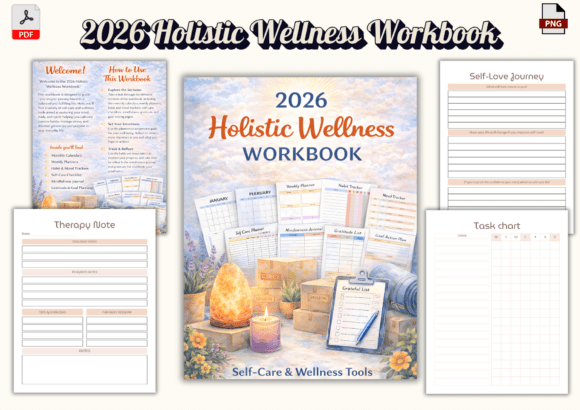
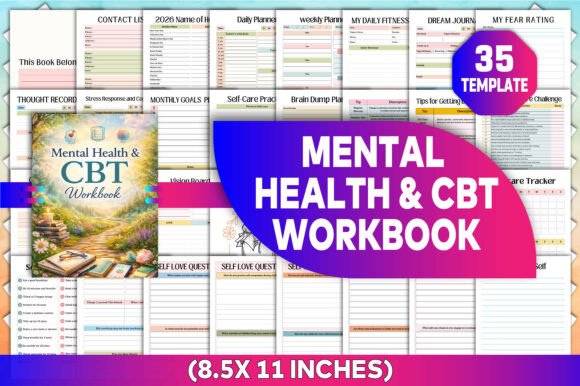
A well-structured Mental Health CBT Workbook should include a range of tools and exercises designed to support different aspects of mental health. Here are some key components that make this workbook valuable:
- This Book Belongs To: A personalized section where users can fill in their name, goals, and intentions.
- Contact List: A space to keep important phone numbers, email addresses, and emergency contacts.
- Daily and Weekly Planner: Helps organize tasks, appointments, and self-care routines on a day-to-day basis.
- Dream Journal: Encourages users to reflect on their aspirations and long-term goals.
- Thought Record Sheet: A critical CBT tool that helps identify and challenge negative thoughts.
- Stress Response Coping Plan: Offers strategies to manage anxiety and stress effectively.
- Self-Care Practice: Includes guided activities for relaxation, mindfulness, and emotional regulation.
- 30-Day Self-Care Challenge: Provides a structured way to incorporate self-care into daily life.
- Gratitude Journal: Promotes positivity by encouraging users to reflect on things they’re grateful for each day.
- Monthly Sleep Tracker: Tracks sleep patterns to help improve rest and overall well-being.
- Vision Board: A creative space to visualize goals and dreams.
- Self-Love Questions: Prompts that encourage self-reflection and personal growth.
- Medication Tracker: Useful for those managing medications as part of their mental health care plan.
- Medical Appointment Tracker: Keeps track of scheduled visits with healthcare professionals.
- Measurement Tracker: For tracking physical changes, such as weight, height, or fitness progress.
- Reframe Negative Thoughts: Helps users restructure unhelpful thinking patterns.
- Notes Section: A flexible area for jotting down ideas, reminders, or reflections.
Creative Possibilities and Applications
The Mental Health CBT Workbook isn’t limited to just one use case. It can be adapted for various audiences and purposes. For example, educators might use it as a supplementary tool in therapy sessions or workshops, while entrepreneurs could integrate it into their wellness programs for employees.
Designers and publishers have the freedom to customize the Canva templates to fit their branding or target demographic. If you're creating a version for teens, you might opt for a more colorful, playful design. For adults, a minimalist, clean layout may be more appropriate.
Another creative application is combining the Mental Health CBT Workbook with digital tools. Users could sync their daily planner with a calendar app, or use the gratitude journal as a prompt for social media content focused on positivity and self-improvement.
Practical Tips for Creating Your Own Workbook
If you're planning to create your own Mental Health CBT Workbook, here are a few tips to ensure your final product is both effective and engaging:
- Define Your Audience: Know who you're creating this workbook for—whether it's for general readers, students, or professionals—and tailor the content accordingly.
- Use Clear Layouts: Keep pages organized with clear headings, bullet points, and ample white space to avoid clutter.
- Incorporate Visuals: Use icons, illustrations, or infographics to break up text and make the content more digestible.
- Test the Flow: Make sure the workbook moves logically from one exercise to the next, helping users stay engaged throughout.
- Offer Customization Options: Allow users to personalize sections like "This Book Belongs To" or "My Future Self" to make the experience more meaningful.
By focusing on usability and accessibility, you can ensure that your Mental Health CBT Workbook becomes a valuable resource for anyone looking to improve their mental health through structured practice and reflection.
Conclusion
The Mental Health CBT Workbook offers a powerful way to combine cognitive behavioral therapy with practical tools for daily life. With the help of Canva templates, creators can produce high-quality, customizable versions that cater to a wide range of needs and preferences. Whether you're a publisher, designer, or someone looking to create a personal journal, this workbook provides endless possibilities for creativity and self-improvement.